We cats are prone to suffer from Diabetes Mellitus type 2 if we do not take care of ourselves properly. Obesity, poor diet and even our genetic make-up can be some factors that determine the onset of this disease.
Looking out for the possible symptoms that can present in cats is very important for detecting the disease on time. Do you think your cat might have diabetes? We will tell you how to detect diabetes in cats and how to care for a cat that has this endocrine problem.
How to detect feline diabetes
Diabetes can affect cats of any age, although it mostly commonly presents after the age of 6 or 7, with males being more susceptible.
When we cats have this disease, in which the pancreas stops working properly and produces an unusual amount of insulin, the normal warning signs are the following:
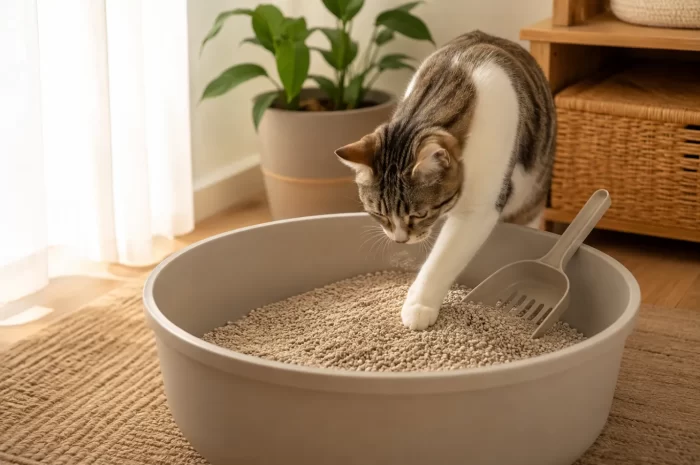
- Frequent visits to the litter box
- Loss of weight despite increased appetite
- Bad breath
- Unhealthy looking coat
- Urinary tract infection
- Cataracts and loss of vision
- Symptoms of ketoacidosis, such as weakness, dehydration, vomiting, fainting and the risk of coma
Treatment of diabetes in cats
The majority of cats that suffer from Diabetes Mellitus type 2 present an obesity problem. Therefore, in order to see an improvement in the symptoms, the first treatment veterinarians always recommend is to lose weight, in order to increase sensitivity to insulin.
Unlike diabetes in humans, cats do not need an insulin treatment to control the disease. Controlling the cat’s diet and encouraging physical exercise to boost metabolism are more than enough.
If you think your cat might have diabetes, promptly see your veterinarian. They will tell you how to care for a diabetic cat with a customised treatment, as each animal has their specific needs.