
Most cats are very quiet, and sometimes as owners, we want to know where they are so we can take care of them. You may think that a bell is a good idea, but… do you know if that bell around the cat’s neck is harmful?
Have you ever found it strange that cats have a bell on the front of the neck? Surely you thought there was a reason why some cats wear them. Let’s do a review on the pros and cons of using this object with our animals.
The good
Everyone agrees that bells are a good idea to know that our cat is nearby. Also, when it comes to leaving them alone in the yard, it means that it is easier to prevent the presence of mice, birds, or similar plagues since our cats drive them away with the sound of the bell.
The bad
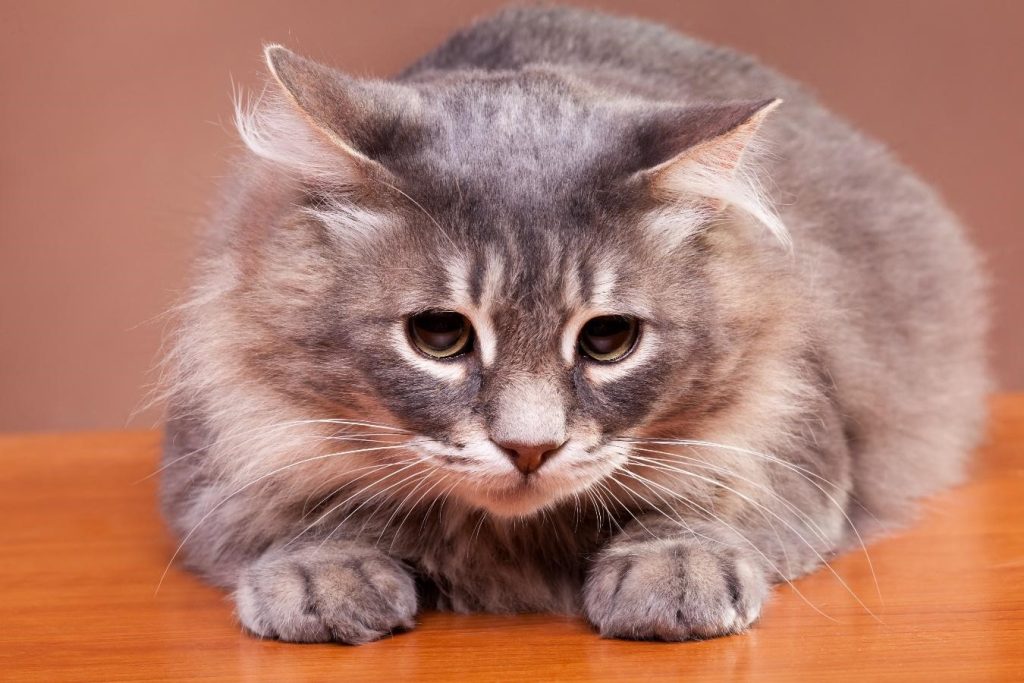
Felines have a hearing that is not found in other animals, the unique characteristics of their ears allow them to hear sounds with great clarity. Unfortunately, the repetitive sound of the bell causes your cat to lose this ability, decreasing their hearing capabilities over time.
If we don’t take care of them, the bell could even cause them a lot of distress. The more they hear the noise of the bell, the more they will cry and feel scared, causing them a lot of stress.
Another problem with collars and leashes is that they are very uncomfortable for the animal and do not allow it to scratch properly. So sometimes you will see how the cat will try to remove the collar with the bell to be able to do it naturally.
What are the alternatives to collar bells?
While some owners prefer their cats to have the sound on at all times, this is annoying and uncomfortable for them. If what you want is to have an identifier for your cat, use collars with plates so that it is recognizable regardless of whether it is inside or outside the house. Or if you just don’t want to lose track of him, remember that cats’ behavior is extremely independent, so ideally you should give him his space and build trust in your relationship to get to know your cat’s routine.

In conclusion
There is a wide variety of collars, such as identifiers, antiparasitic collars, and even some of them integrate a chip so you can know where your cat is. Always remember that it is not necessary to use a rattle and unfairly harm him.
If you are still not convinced if your cat is ready to use bells or not, talk to your trusted veterinarian to examine your pet’s hearing health and give you some tips.
Be careful with the devices your cat uses daily, making sure you make the best decisions for their well-being. To follow the best habits, be sure to read our Kitten Care section. And share with us in the comments, what kind of collar does your cat wear?



6 Responses
Hi
Im trying to do some research and would like to see if you have any studies about the damage that bells can do to cats ears
Hi Tomas, of course, we have this blog where you can find more information about the bells used on cats. https://sepicat.com/blog/should-i-put-a-bell-on-my-cats-collar/
I took the bell off my cat’s collar. He only goes outside with a harness and leash on and has 4 teeth so he’s not killing wildlife for sure. I hated the sound of him scratching at the collar and causing the bell to jingle at night, plus my other cats that bully him used the bell to their advantage and cornered him because they connected the sound of the bell to his whereabouts. Now he can sneak around at whim, I get restful sleep, and oddly enough he doesn’t seem to scratch at the collar nearly as much. I wonder if the bell annoyed him and he was trying to scratch it off or something.
He was probably annoyed by the sound of the bell.
Bells on cats collars are to stop their natural predation. Bells don’t bother them at all besides alerting prey that the cat is coming. Cats, as much as we love them are an invasive species, so if you are going to let them out a bell on the collar gives the natural fauna a chance to escape.
I understand your point of view, however I recommend that you talk to your veterinarian so that he/she can give you a more professional opinion if it is advisable for your cat to wear the bell.