If you notice your cat sleeps a lot, you may worry whether it’s normal. Felines can sleep up to 20 hours a day, depending on their age and lifestyle. In this article, we’ll explain when this is a natural behaviour and when you should pay attention to possible warning signs.
How Does Feline Sleep Work?
Cats are crepuscular animals, meaning they are most active at dawn and dusk. This is due to their hunting instinct, which prioritises conserving energy for moments of intense activity. Feline sleep is divided into two stages:
- Light sleep or dozing: Accounts for 70% of their rest and allows them to react quickly to stimuli.
- Deep sleep: Makes up the remaining 30% and is key for cell regeneration and the release of growth hormone.
Understanding this will help you distinguish between your cat simply resting and a change in sleeping patterns that could signal a health problem.

Reasons Why Your Cat Sleeps a Lot
According to Dr Sara Nold, veterinarian at Trupanion, here are the main reasons why cats sleep so much:
- Energy conservation instinct: Cats sleep to preserve energy, especially indoor cats with fewer stimuli.
- Weather: On cold or rainy days, it’s normal for cats to sleep more.
- Digestion: After eating, cats usually nap to process their food.
- Age: Kittens and senior cats need more sleep to maintain health and development.
If your cat eats well, plays, and has active moments, sleeping a lot isn’t necessarily alarming. Tracking their usual sleep habits, such as sleeping with you or being inactive at certain times, helps you recognise warning signs if these habits change.
How Much Do Cats Sleep by Age?
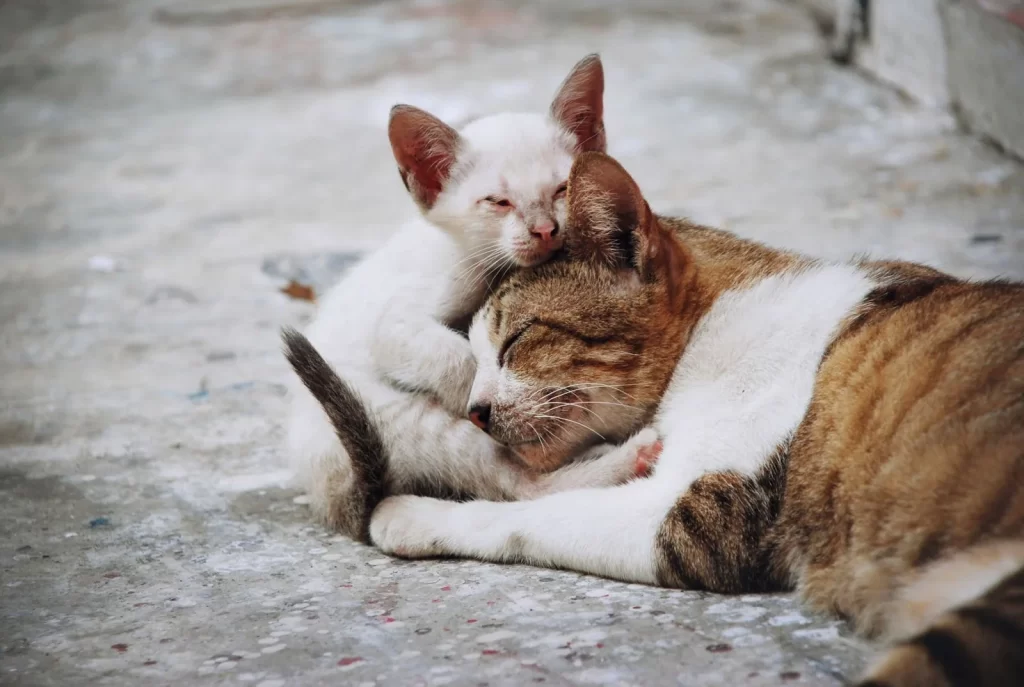
- Kittens (0–6 months): Up to 20 hours a day, since they are growing.
- Young and adult cats (6 months–7 years): Between 12 and 16 hours daily.
- Senior cats (7+ years): Around 16–18 hours, depending on their health.
These ranges, compiled by Purina, are general guidelines. If your cat sleeps more than usual and shows other symptoms such as loss of appetite or behavioural changes, consult a vet.
Sleeping a lot is linked to a cat’s survival instinct. In the wild, hunting requires huge amounts of energy, so rest allows them to store the energy needed to stay alert and active at hunting hours.
Even if your cat is an indoor pet and doesn’t hunt, this instinctive behaviour remains—explaining why they spend so many hours sleeping.
Cat Behaviour and Sleep
Changes in your cat’s behaviour can also affect their sleep. If you notice they’ve become more sedentary, avoid playing, or show little interest in their surroundings, excessive sleep may be a sign of boredom or lack of stimulation.
To learn more about feline behaviour, check out our blog on how bonding with your cat can shape their personality.
When Should You Worry if Your Cat Sleeps Too Much?
See a vet if you notice:
- Extreme lethargy and poor responsiveness.
- Loss of appetite or significant weight changes.
- Difficulty moving or stiffness.
- Changes in stools or urine.
- Laboured breathing during sleep.
These symptoms, combined with increased sleep, may indicate health problems such as pain, infections, diabetes, or kidney disease.
What to Do if Your Cat Sleeps a Lot
Provide Stimulation and Play
To prevent boredom and lack of exercise, offer interactive toys, scratching posts, and puzzle feeders that encourage mental and physical activity.
Create a Comfortable Resting Environment
Ensure your cat has a cosy bed in a quiet, safe spot. Avoid constant changes to their surroundings and keep a consistent feeding and play routine.
Consult a Veterinarian
If you’re concerned about your cat’s sleep patterns, a vet can help rule out health issues and suggest changes to their diet or routine.
Sleeping a lot is, in most cases, part of a cat’s natural behaviour. However, knowing how much sleep is normal by age and spotting warning signs will help you safeguard their wellbeing. Provide a safe, stimulating environment and don’t hesitate to see a vet if you notice unusual changes in their behaviour or sleeping habits.
Do you want to learn more about your cat’s habits? Explore our articles on feline behaviour or speak with a vet for personalized advice.
Do cats dream when they sleep?
Yes. During deep sleep, cats can dream—you’ll notice it when they twitch their paws or whiskers while asleep.
Does my cat sleep a lot because they’re bored?
It’s possible. A lack of stimulation can make a cat sleep more than usual. Providing toys and activities can help reduce excess sleep.
Is snoring in cats normal?
In some cats, yes. However, if snoring is accompanied by breathing difficulties, consult your vet.
What type of bed is best for a cat?
A padded bed placed in a quiet spot away from draughts will help your cat rest better.