Did you know cats can suffer from stress just like humans? Although they often hide it well, behavioral changes can be silent cries for help. Learning to recognize feline anxiety symptoms won’t just improve their quality of life—it will also strengthen your bond. In this guide, you’ll learn to spot stress symptoms, identify causes, and support your cat in feeling safe and happy again.
Why Do Cats Get Stressed?
Cat stress is a physiological and emotional reaction to an environment perceived as threatening or challenging. It can be acute (like after a vet visit) or chronic, when negative stimuli are frequent or long-lasting.
Main Causes of Feline Stress
- Environmental changes: moving, remodeling, frequent guests
- New family members: another cat, dog, or even a baby
- Excessive noise or chaotic surroundings
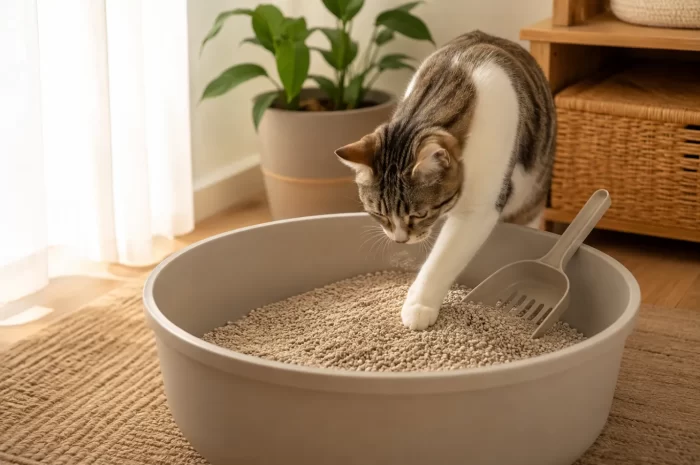
- Dirty, inadequate, or poorly located litter box
- Undiagnosed illness or pain
- Lack of physical or mental stimulation
- Punishment, isolation, or improper socialization
Common Signs of Stress in Cats

Stressed cats rarely “cry” like humans, but their bodies and behavior speak volumes. Watch for these signs to intervene early.
Behavioral Changes
- Unusual aggression: attacking people or other pets without reason
- Excessive vocalization: constant meowing, especially at night
- Avoidance: hiding or avoiding social interaction
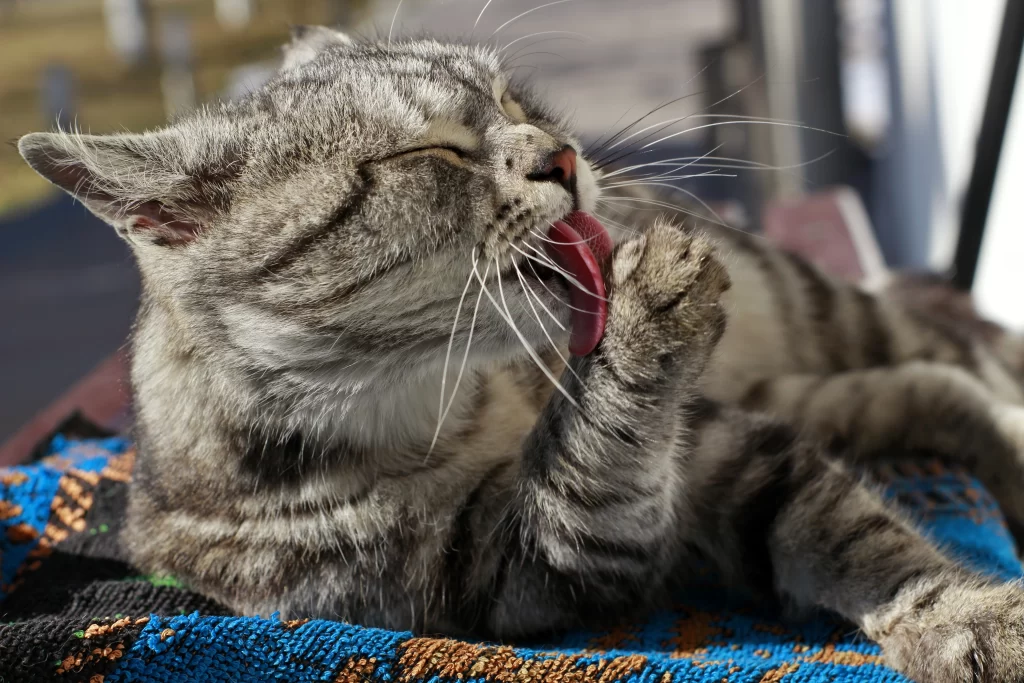
- Compulsive behaviors: excessive licking or hair chewing
- Overmarking: with urine or scratching objects
- Litter box avoidance: eliminating outside the box with no medical reason
Physical Signs of Stress
- Loss of appetite or compulsive eating
- Gastrointestinal issues: vomiting, diarrhea, constipation
- Excessive hair loss or bald spots from overgrooming
- Fast or shallow breathing, especially when calm
- Tense body posture: ears pinned back, tail tucked in
Chronic Stress: A Health Threat
When stress continues, it can seriously impact a cat’s health:
- Weakened immune system
- Recurrent infectious diseases
- Feline depression: apathy, lack of play, disconnection
- Behavioral issues that persist even after removing the cause
Early action is key to prevent escalation.
How to Reduce Your Cat’s Stress
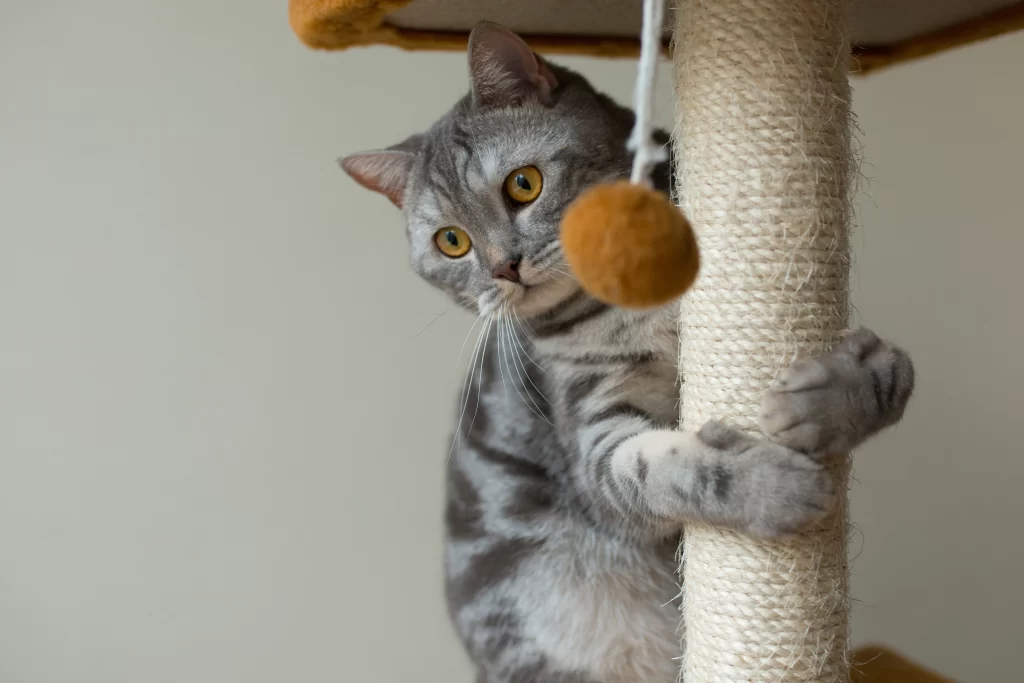
The good news: there are effective strategies to ease feline stress and boost wellbeing.
Environmental Enrichment
A stimulating environment is essential for your cat’s emotional health:
- Provide scratching posts, interactive toys, and climbing areas
- Ensure access to safe hiding spots and quiet rest areas
- Establish routines—cats value consistency
- Use smart calming strategies like those shared in this blog to handle stressful situations, like bathing with no stress
Care for Their Space and Resources
- Clean litter box in a quiet, accessible location—not near food or high-traffic zones
- One litter box per cat plus one extra—use a litter box selector to find the best match
- Fresh water and proper food, avoiding sudden diet changes
- Choose the right water bowl to encourage hydration
Veterinary Support
If stress behaviors persist, consult a vet or feline behaviorist. They can rule out medical issues or recommend targeted treatment.
Stress at the Vet: How to Manage It Better
Many cats stress out just seeing the carrier. To reduce that stress:
- Get them used to the carrier from a young age
- Use towels with pheromone sprays
- Choose cat-friendly clinics that reduce noise and dog contact
- Stay calm and avoid restraint or scolding
Daily Emotional Care for Your Cat
Preventing stress doesn’t require extreme effort—just consistent attention:
- Observe your cat daily—small changes can signal big issues
- Use positive reinforcement
- Create a home with routine, shelter, and stimulation
- Avoid punishment or isolation
Understanding cat stress behavior is a powerful tool to deepen your bond and enhance their life. By recognizing signs, responding with empathy, and adapting their environment, you’re protecting both their physical and emotional health.
Remember: your cat can’t say something’s wrong—but their behavior screams it. Pay attention, listen, and respond with love.
Can stress in cats cause urinary problems?
Yes. Stress is a common trigger of feline idiopathic cystitis—bladder inflammation with no clear cause. It can lead to urination outside the box, painful urination, and frequent trips. Managing stress is essential when treating these symptoms.
Do cats get stressed if left alone too long?
It depends on the cat’s personality. Some enjoy solitude, while others develop separation anxiety. Signs like destructive behavior, excessive meowing, or eating changes may indicate stress. Enrichment or a pet sitter can help.
Are there natural supplements to reduce cat stress?
Yes. Supplements like L-theanine, tryptophan, and alpha-casozepine have calming effects without sedation. There are also pheromone diffusers and sprays that mimic feline facial pheromones. Always consult your vet before using them.
What’s the best way to introduce a change without stressing my cat?
Do it gradually. Whether it’s moving, a new pet, or new furniture, provide hiding spots, keep routines, and use pheromones if needed. Never force adaptation—give your cat time and space to explore.
Can a stressed cat affect another cat in the home?
Yes. One cat’s stress can disrupt household dynamics, leading to tension or aggression. Watch their interactions and ensure enough resources (litter boxes, food bowls, vertical space) to prevent conflict. Early intervention is key.