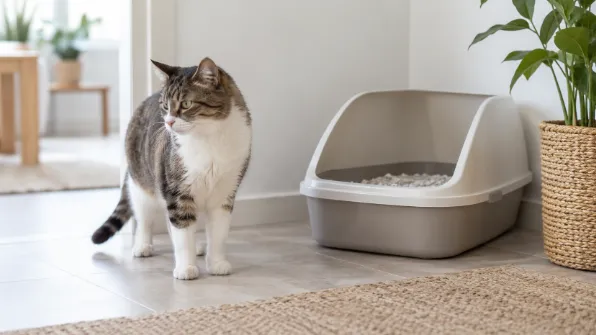
Cats tend to hide pain, so some changes in their health can go unnoticed. Observing their daily habits is a useful way to recognize warning signs, especially when it comes to their urinary system.
How often your cat visits the litter box, how much urine it leaves, and its posture while urinating can give you clues about its well-being. Although these changes do not allow you to establish a diagnosis, they do help you identify possible urinary problems and act in time.
During the colder months, some cats may also drink less water. In this article you will find what to look for in the litter box, what the signs of discomfort are, and how to encourage good hydration to help prevent some factors related to urinary problems.
Why Cats Drink Less Water During the Colder Months
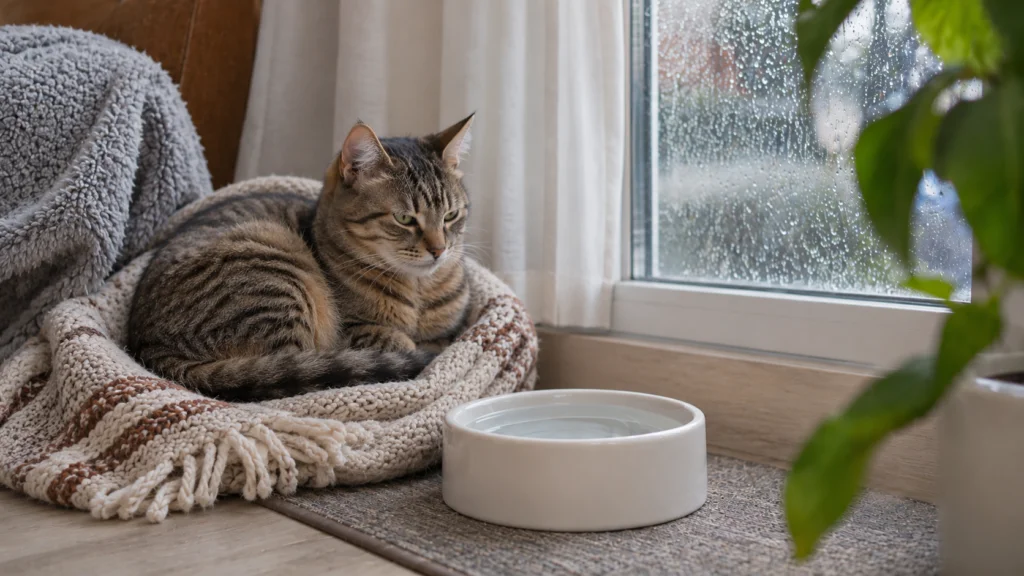
When temperatures drop, some cats spend more time resting in warm places and show less interest in drinking water. This can be related to several factors:
- Lower sensation of heat: as the ambient temperature decreases, some felines reduce their water intake.
- Water that is too cold: certain cats prefer fresh water, but not very cold.
- Lower activity: if they play and move less, their drinking habits may also change.
Cats also have a less pronounced thirst drive than other animals. When they take in less liquid, their urine can become more concentrated, which in some cases favors the formation of crystals and increases the risk of urinary tract conditions.
For this reason, maintaining proper hydration is one of the habits that help care for their health and reduce some factors associated with urinary problems.
What the Size of Urine Clumps Tells You
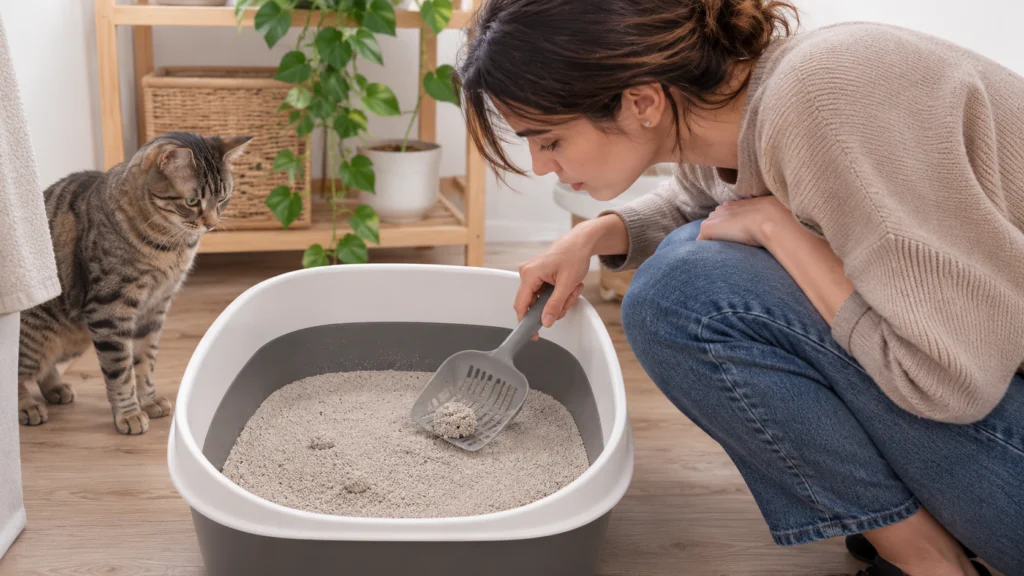
Checking the litter box every day lets you notice changes in the amount and frequency of urination. The size of the clumps can serve as a reference, although by itself it does not confirm a kidney or bladder disease.
Small Clumps and Frequent Visits
If you notice clumps that are smaller than usual and your cat repeatedly goes in and out of the litter box, pay attention. These changes can appear when there is irritation or inflammation of the urinary tract.
Also watch whether it strains, stays in the urination position for a long time, or only passes a few drops. These behaviors can be related to urinary problems and require a professional evaluation.
Larger Clumps Than Usual
If you find urine balls that are much larger or notice that the litter box gets wet more often, record the change. An increase in the amount of urine accompanied by more thirst can be related to different diseases, including some kidney or metabolic conditions.
It is not possible to identify the cause from the size of the clumps alone. If these variations continue, it is advisable to mention them during a veterinary checkup, since they can also be a sign of urinary problems that need follow-up.
Signs of Pain or Discomfort When Using the Litter Box
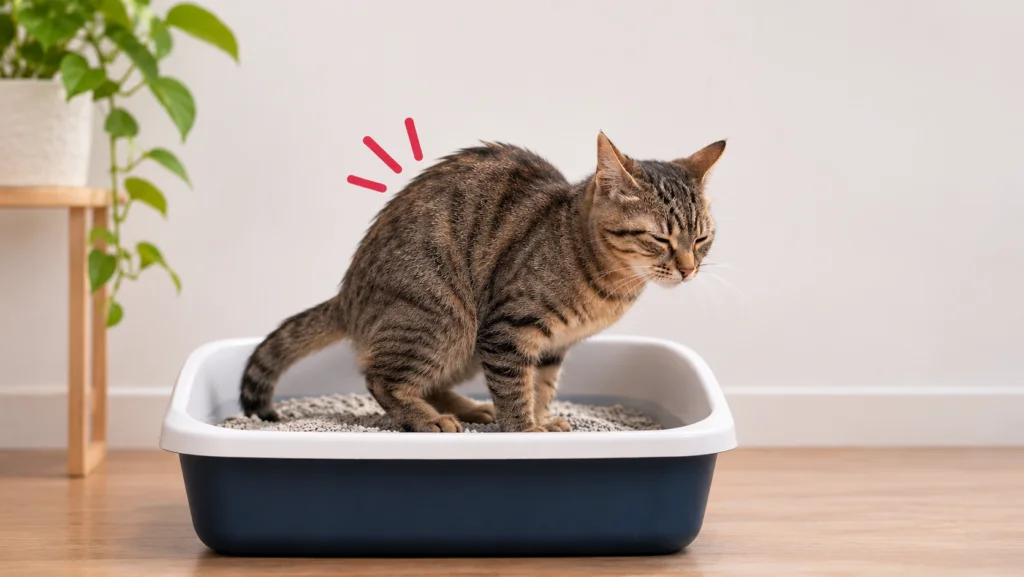
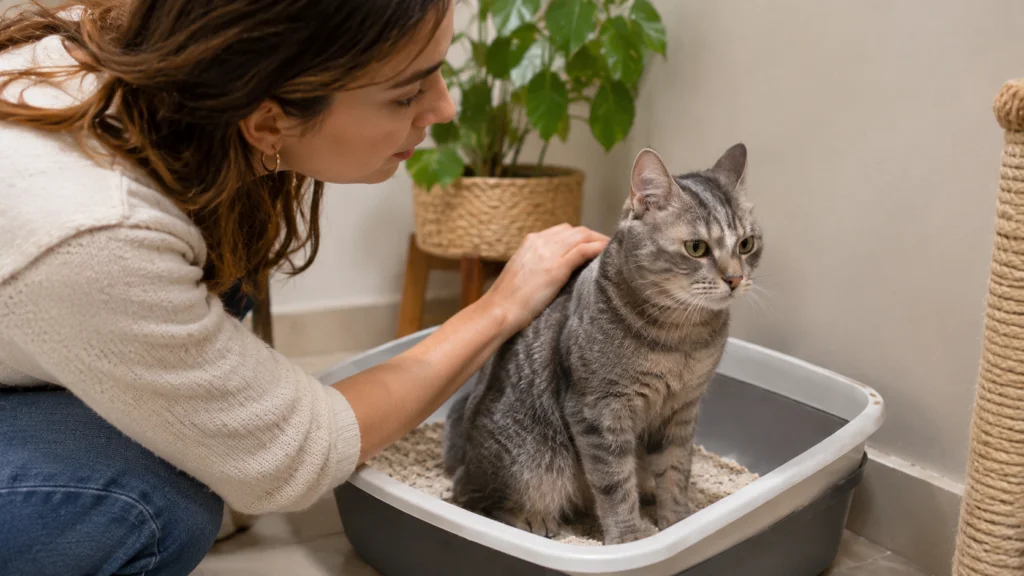
Besides checking the litter, observe how your cat behaves before, during, and after urinating. Some signs worth recognizing are the following.
Changes in Posture When Urinating
A cat in pain may adopt a posture different from its usual one. For example:
- Hunched back: it may stay more tense than normal.
- Stiff legs: it might avoid settling in or changing position.
- Prolonged straining: it stays in the litter box straining and produces little urine or none at all.
Difficulty urinating is a sign that should not be overlooked. If your cat tries to urinate and cannot pass urine, go to a veterinary emergency room immediately, since it could be an obstruction.
Meowing and Behavioral Changes
Some cats vocalize while trying to urinate or seem restless when leaving the litter box. They may also lick their genital area insistently or go to the tray more times than usual.
These behaviors can indicate pain or irritation and appear together with other urinary problems. Observe whether they repeat and whether they are accompanied by changes in the amount of urine.
Urinating Outside the Litter Box
Finding urine on a bed, rug, or piece of furniture can have different explanations. In some cases, the cat associates the tray with a painful experience; in others, environmental or behavioral factors may play a role.
Avoid scolding it. Clean the area and observe whether the change repeats or appears along with other symptoms. If it suddenly starts doing this, it is worth checking what is going on, since it could also be related to urinary problems.
How to Choose a Clumping Litter That Makes Daily Checks Easier
The litter box can also help you observe your cat’s habits. To do this, it is advisable to choose a litter that lets you remove the clumps easily and check their changes without them breaking apart when you scoop them.
A clumping litter that is practical for daily cleaning can offer:
- Firm clumping: it forms compact balls on contact with urine, which makes them easier to remove and lets you observe changes in their size.
- Light color: it makes it easier to distinguish stains or visible changes in the urine, such as the presence of blood.
- Low dust level: it helps keep the litter box area cleaner.
- Odor control and absorption: it contributes to keeping the tray in pleasant condition for the cat and for the home.
These characteristics make cleaning and the observation of possible urinary problems easier, but the litter does not replace a veterinary evaluation and does not allow diseases to be diagnosed.
Tips to Encourage Your Cat to Drink More Water
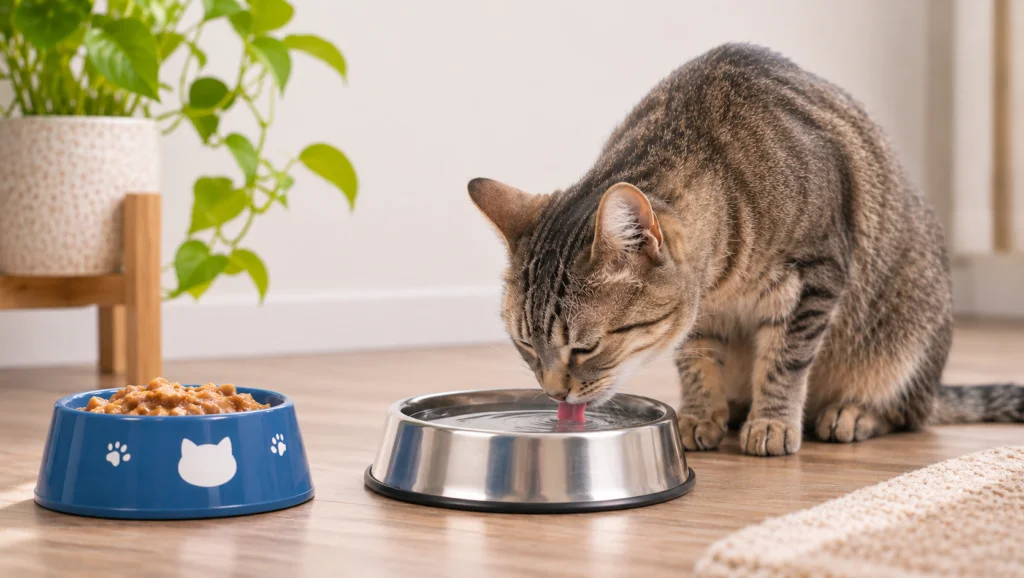
If your cat drinks little water, some changes at home can encourage it to take in more liquids. Try these alternatives and observe which ones it accepts best.
1. Include Wet Food in Its Diet
Wet food contains more water than kibble and can contribute to its daily fluid intake. You can incorporate it according to its nutritional needs.
Extra tip: if it tolerates it, add a little warm water to its food to increase its liquid content.
2. Try a Water Fountain
Some cats are drawn to moving water. A pet fountain can encourage them to drink, as long as it is kept clean and with fresh water.
3. Offer Unsalted, Unseasoned Broth
You can prepare a little homemade chicken or fish broth, without salt, onion, garlic, or other seasonings. Let it cool and offer a small amount, as long as the ingredients are safe for your cat.
4. Place Several Water Bowls Around the House
Distribute containers with fresh water in quiet, accessible places. Some cats prefer to have water away from their food and the litter box. Try different locations and materials to identify which one is most comfortable for it.
Observing Their Habits Is Part of Their Well-Being
Changes in how often your cat urinates, the size of the litter balls, and its behavior when using the litter box can give you clues about its health. Checking these aspects daily and encouraging good hydration are habits that help recognize possible urinary problems.
At Sepicat we know that keeping the litter box clean is also part of your cat’s daily care. Our clumping litters, made with high-quality bentonites and plant fibers, form resistant clumps that make cleaning easier and allow you to observe changes in the amount of urine during this routine.
Paying attention to these signs can help you identify when something is not right. If you notice blood in the urine, straining when trying to urinate, or repeated visits to the litter box with little or no urination, seek veterinary guidance. If your cat tries to urinate and cannot, go to an emergency room immediately.
To recognize these behaviors more easily, we have prepared a guide with the 6 signs of pain or discomfort your cat may show when using the litter box.

Frequently Asked Questions
1. How many times a day does an adult cat usually urinate?
The frequency can vary depending on its age, diet, and hydration. The most important thing is to know its usual habits and pay attention if it starts urinating more or less often than normal.
2. Can stress affect a cat’s urinary habits?
Yes. Changes in the environment, moves, or living with other animals can cause stress and favor urinary disorders, such as some episodes of cystitis.
3. Is it normal for my cat to constantly lick its genital area?
Not always. Although grooming is part of its routine, licking this area insistently can be a sign of irritation or discomfort, especially if the behavior is new or recurrent.
4. What type of water is best for cats?
Fresh, clean water is the best option. You can offer it in glass, ceramic, or stainless steel containers and change it daily to keep it in good condition.
5. How can I collect a urine sample at home?
Consult your veterinarian first, who may recommend using non-absorbent litter and a clean container to collect the sample. Follow their instructions on storage and delivery time to avoid alterations in the analysis.