Did you know that around 70% of cats vomit hairballs at least once a month? While this may seem normal, knowing when it’s part of their natural behavior and when it’s a warning sign is key to your cat’s well-being.
Why Do Cats Vomit Hairballs?
Cats are extremely clean animals. They spend a large part of the day grooming, which means they swallow a significant amount of dead hair. Since it’s indigestible, this hair accumulates in the stomach and is expelled as a hairball.
Hairballs are usually cylindrical in shape and appear occasionally around the house. However, frequent vomiting or additional symptoms can indicate a more serious problem.
When Is It Normal… and When Should You Worry?

Normal:
- Happens occasionally (1–2 times a month)
- The cat acts normally before and after
- No blood or other symptoms present
Warning signs:
- Frequent or daily vomiting
- Presence of blood, white foam, or yellow vomit
- Lethargy, diarrhea, loss of appetite, or weight loss
- Vomiting with no content or non-food items
- Swollen abdomen or signs of abdominal pain
In these cases, a vet visit is essential to rule out serious conditions like intestinal blockages, chronic gastritis, or metabolic diseases.
Difference Between Vomiting and Regurgitation

Not all expelled content from the mouth is vomiting. Regurgitation is a passive process with no abdominal effort and often results from esophageal issues or eating too fast.
Vomiting:
- Abdominal contractions
- Retching and characteristic sounds
- May include saliva, bile, or food remains
Regurgitation:
- Quick and effortless
- Contents are usually undigested
Knowing the difference can help your vet better diagnose the issue.
Common Causes of Vomiting in Cats
While hairballs are a frequent cause, others include:
- Sudden diet changes
- Ingestion of toxic plants
- Intestinal parasites
- Gastritis or irritable bowel
- Diabetes or kidney failure
- Ingestion of foreign objects (like string or plastic)
That’s why observing your cat’s vomiting in detail and monitoring other behavioral changes is important.
Prevention: How to Reduce Hairballs

You can prevent frequent hairballs by adopting a few daily habits:
1. Regular Brushing
Brushing reduces the amount of loose hair your cat can swallow. For long-haired cats, daily brushing is recommended.
2. Proper Diet
There are specialized foods designed to prevent hairball formation. These contain special fibers to help move hair through the digestive tract. Check our blog to discover the 3 crucial factors for selecting your cat’s best diet, or ask your vet if it’s suitable for your pet.
3. Malt Paste and Digestive Supplements
Malt paste helps cats naturally eliminate ingested hair. Offer it once or twice a week.
There are also veterinary supplements that support intestinal transit and prevent hairball buildup.
4. Keep Your Cat Hydrated
Always provide fresh water. Hydration improves digestion and reduces vomiting risk.
Try using water fountains, which encourage cats to drink more.
5. Low-Stress Environment
Stress can disrupt the digestive system and contribute to vomiting. Make sure your cat has hiding spots, consistent routines, and a calm home environment.
When to See the Vet
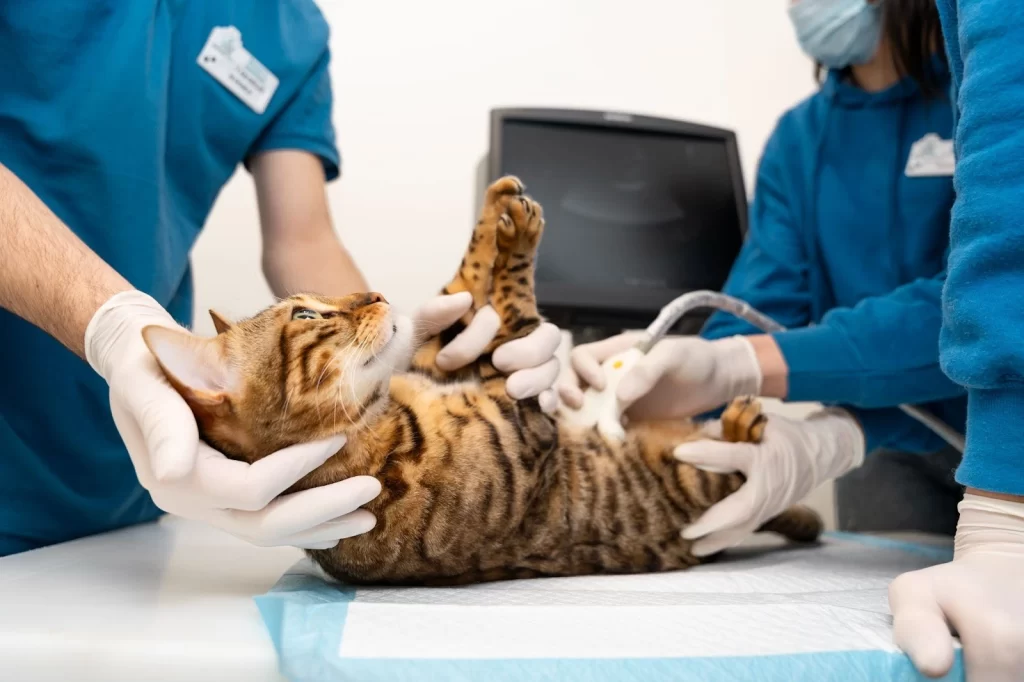
Visit your vet if your cat shows any of these symptoms along with hairball vomiting:
- Very frequent or projectile vomiting
- Blood, worms, or unusual vomit colors (green, brown, yellow)
- Weight loss, lethargy, or lack of appetite
- Foul-smelling vomit
- Abdominal pain signs
Your vet may recommend tests like ultrasounds, blood work, or X-rays to rule out more serious problems.
Hairballs are common, but not harmless. With prevention, careful observation, and attention to warning signs, you can avoid complications and improve your cat’s quality of life.
Remember, your cat depends on you to feel good. If in doubt, always consult a professional. Your pet’s wellness starts with your attention.
Are hairballs more common in long-haired cats?
Yes. Long-haired breeds like Persians or Maine Coons are more prone to hairballs due to the amount of fur they ingest while grooming. Daily brushing is crucial in these cases.
Is it okay to give cats malt paste every day?
It depends on the cat. Some may need it several times a week to help eliminate hairballs, while others with good diets and regular brushing need it less often. Always ask your vet before establishing a routine.
Are there specific foods that help prevent hairballs?
Yes. Some cat foods contain extra fiber to improve intestinal transit and reduce hairball formation. They’re often labeled “Hairball Control” or similar.
How is hairball vomit different from other types of vomit?
Hairball vomit is usually cylindrical or tubular, with compacted hair. It’s rarely mixed with food, though it may include foam or liquid. If the vomit contains blood, parasites, strange colors, or is frequent, see your vet.
Can hairballs be completely prevented?
Not entirely—they’re part of your cat’s natural grooming behavior. But with regular brushing, a proper diet, and hairball control products like malt or fiber supplements, you can greatly reduce their frequency and severity.