During the hottest months of the year, cats may be at risk of a problem that often goes unnoticed: gradual fluid loss. Unlike other animals, cats have a less developed thirst instinct, so they don’t always drink enough water to maintain proper fluid balance in their bodies.
Ensuring proper hydration in cats requires more than simply placing a bowl of water out for them. It’s necessary to understand their natural behavior, identify early signs of dehydration, and create an environment that encourages them to drink voluntarily.
A lack of water can affect important functions such as body temperature regulation and proper kidney function. Therefore, establishing
during the summer helps keep cats active, comfortable, and healthy, especially as temperatures rise.
The Thirst Instinct and Warning Signs
Cats evolved as animals capable of obtaining part of the water they need from their prey, so their natural urge to drink may be lower compared to other species. This means that, even with constant access to water, some cats may not drink enough to meet their daily needs.
Dehydration isn’t just a lack of water, but an imbalance between fluids and electrolytes that affects various bodily processes. For this reason, preventive hydration in cats begins with daily observation and early detection of physical or behavioral changes.
According to the American Animal Hospital Association’s (AAHA) 2024 AAHA Fluid Therapy Guidelines for Dogs and Cats, certain clinical signs may indicate different levels of fluid loss:
- Mild dehydration (6–8%): There may be a slight decrease in skin turgor, and the gums may begin to feel drier than usual.
- Moderate dehydration (8–10%): There is a more noticeable loss of skin turgor, and the eyes may appear slightly sunken.
- Severe dehydration (10–12%): The skin may remain raised after being gently pinched, the mucous membranes may appear altered, and the cat may show weakness or signs of collapse.
In addition to observing these symptoms, it’s important to pay attention to small changes in routine. Reduced water intake, fewer visits to the litter box, or a decrease in urine output can be signs that something is changing in the cat’s fluid balance.
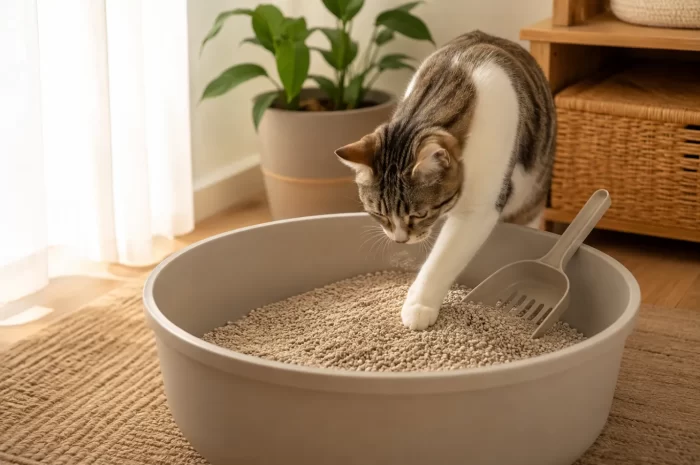
Monitoring the litter box can also provide useful information. Clumping litter allows you to identify variations in the size and frequency of urine clumps, serving as an indirect indicator of the cat’s urination habits.
This preventive approach to hydration in cats allows you to take action before an imbalance progresses and affects sensitive organs such as the kidneys.

Strategies for Water Bowls and Fountains
The way water is provided can directly influence how much a cat drinks. Many cats are particular about their environment and may avoid drinking if the bowl is uncomfortable, located in an unsuitable spot, or if the water isn’t fresh.
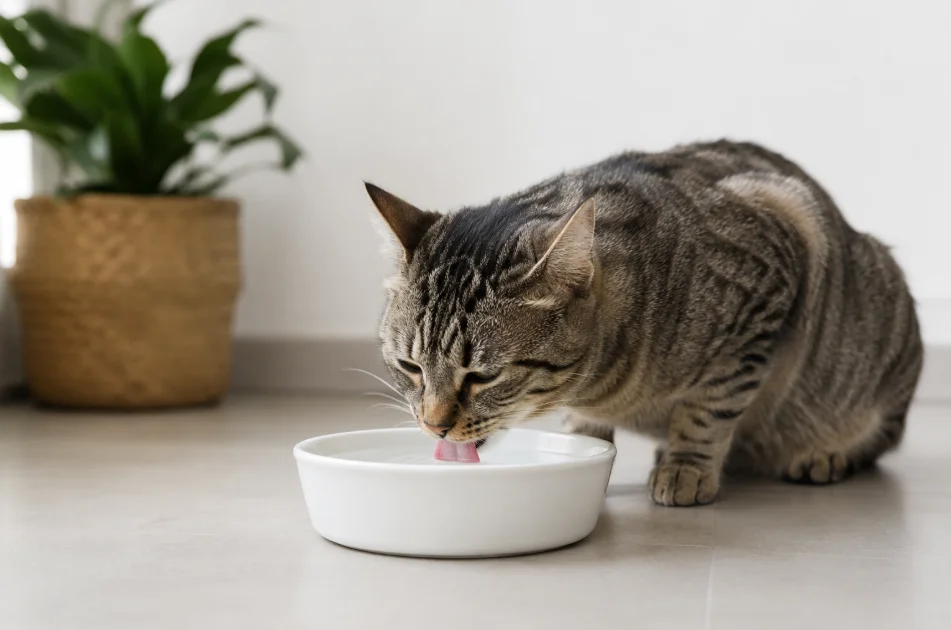
An effective strategy is to set up multiple water stations throughout the home. Placing several bowls in quiet areas, away from the litter box and the feeding area, can encourage the cat to drink more frequently throughout the day.
Here are some recommendations to improve this routine:
- Choose wide bowls to prevent their whiskers from constantly brushing against the edges.
- Keep the water clean and change it frequently.
- Place water bowls in different rooms.
- Avoid locations with too much noise or activity.
- Opt for materials that are easy to clean, such as stainless steel or ceramic.
In addition, some cats show greater interest in moving water. Pet fountains can serve as a tool for environmental enrichment, as the constant flow can pique their curiosity and encourage them to drink more.
According to the International Society of Feline Medicine’s (ISFM) Consensus Guidelines on the Diagnosis and Management of Feline Chronic Kidney Disease, increasing the availability of fresh water and encouraging voluntary intake are important measures to support cats’ urinary and kidney health.
At Sepicat, we understand that feline well-being is built on small daily habits. Just as the right litter promotes a clean and comfortable environment, providing high-quality water in a space designed for their needs is part of comprehensive care.
Wet Food as a Hydration Aid
Diet also plays an important role in increasing a cat’s fluid intake. Many cats obtain a significant portion of their daily water intake through their food, especially when fed diets with a higher moisture content.
Wet food can be a great way to help cats stay hydrated, as it contains a higher percentage of water compared to dry food. This can be especially helpful for cats that aren’t very inclined to drink directly from their water bowl.
In addition, there are simple strategies that can be incorporated into the daily routine:
- Add small amounts of water to wet food.
- Serve fresh portions to keep the food appealing.
- Maintain consistent feeding schedules.
- Monitor changes in appetite or fluid intake.
Adequate hydration is especially important for kidney function. Chronic kidney disease is one of the most common conditions in adult cats, and maintaining proper fluid balance can help reduce factors that affect kidney function.
The ISFM’s Consensus Guidelines on the Diagnosis and Management of Feline Chronic Kidney Disease highlight the importance of nutritional management and adequate water intake as part of the care of cats at risk for kidney problems.
With over 35 years of experience, at Sepicat we promote a wellness approach that takes into account all of a cat’s needs: proper nutrition, hygiene, comfort, and a healthy environment where it can thrive.
Ways to Beat the Heat at Home
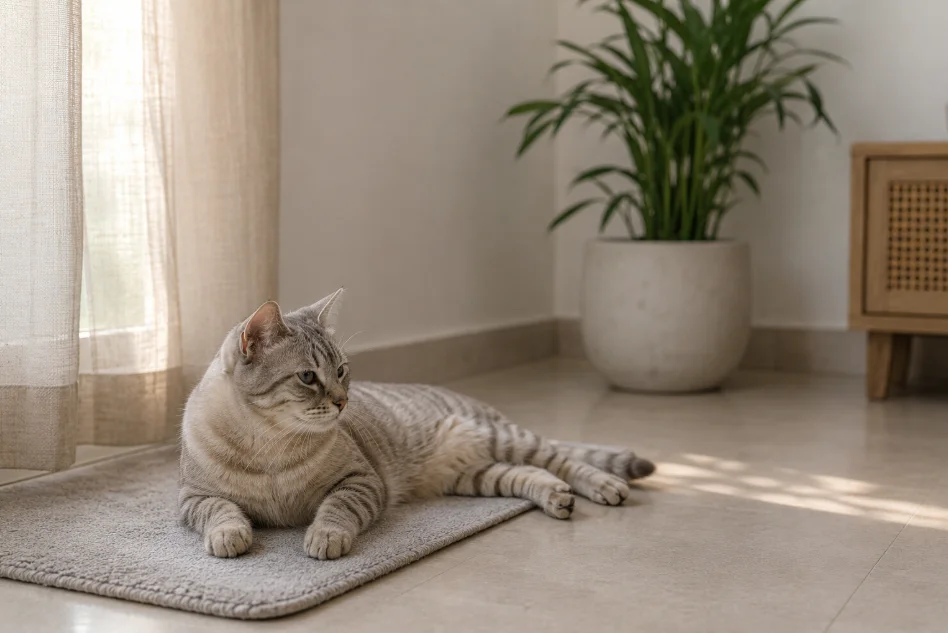
Although it may seem like a quick fix, spraying water directly on your cat isn’t always recommended. Many cats may feel uncomfortable or stressed when water is unexpectedly sprayed on their bodies, especially if they aren’t used to this sensation.
Instead of getting your cat completely wet, it’s better to use gentler methods that respect their natural behavior. Some alternatives include:
- Maintaining cool, shaded areas inside the home.
- Providing comfortable resting spots away from direct sunlight.
- Gently dampen areas where the fur is thinner, such as the paw pads, armpits, or chin.
- Using a cool towel with room-temperature water to help reduce heat.
The goal is not to cause a sudden change in temperature, but to provide relief gradually and without causing anxiety. Cats generally tolerate discreet interventions better when their routine isn’t significantly disrupted.
Hydration in cats should also be complemented by a suitable environment during hot weather. Keeping water available, reducing sources of stress, and observing their behavior are simple actions that can make a significant difference.
At Sepicat, our commitment to feline well-being drives us to promote habits that foster a healthy coexistence. A clean, cool home tailored to a cat’s needs helps ensure they enjoy a better quality of life.
The Importance of Establishing a Preventive Routine
Caring for a cat during the summer doesn’t depend on a single action, but rather on a combination of different daily habits. Monitoring their water intake, offering appealing alternatives, and adapting their environment helps prevent problems before more obvious symptoms appear.
Hydration in cats is part of a wellness routine that helps preserve their energy, supports proper bodily function, and keeps them comfortable during periods of high temperatures.
Your cat’s well-being starts with small daily habits. At Sepicat, we’re here to help you create a cleaner, more comfortable, and healthier environment, where hydration, hygiene, and preventive care are part of a routine designed to keep your cat happy and protected all year round.
Discover our solutions to give your cat the quality of life they deserve.
Frequently Asked Questions
1. How can I improve hydration in cats during the summer?
You can improve it by placing several bowls of fresh water around the house, using appropriate containers, incorporating wet food, and watching for changes in their daily habits.
2. How much water should a cat drink per day?
The amount depends on factors such as weight, diet, age, physical activity, and environmental conditions. Cats that eat wet food typically get a significant portion of their fluids from their food.
3. What signs indicate that my cat might be dehydrated?
Some signs include dry gums, reduced skin elasticity, lethargy, decreased water intake, or changes in urine output. If symptoms are evident, it’s advisable to consult a veterinarian.
4. Why do some cats prefer to drink from a water fountain?
Many cats are curious about moving water because it may seem fresher and more appealing. Fountains can help encourage water intake in some cats.
5. Does hydration in cats help prevent kidney problems?
Maintaining adequate fluid intake supports the body’s functioning and is part of the recommended measures for maintaining cats’ urinary and kidney health.