Vacations are an excellent opportunity to create new family memories, and for many people, that also means including their feline companion in the adventure. However, traveling with a cat requires much more than just packing the carrier: it involves planning every detail to reduce stress, ensure their safety, and maintain their hygiene habits.
Cats are creatures of habit, so any change in their environment can cause anxiety. A successful trip begins before you leave home: sticking to their routines and keeping familiar items around will help make the journey much more bearable. At Sepicat, we believe that good planning and respect for their habits are the foundation for a much smoother trip for both the cat and your family.
Portable Moving Kit
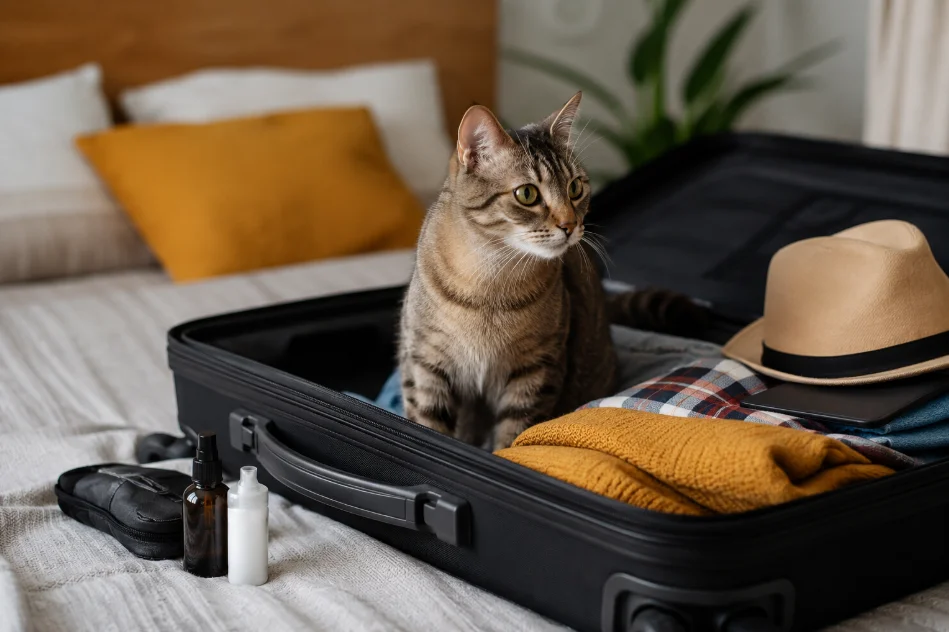
For a cat, familiar scents represent safety. When their environment changes, recognizing familiar smells helps them adapt more easily and reduces the anxiety associated with the move. That’s why putting together a complete travel kit is one of the first steps to traveling with a cat responsibly.
Be sure to pack the items your cat uses every day, as maintaining their routine helps ensure a smoother transition.
Include the following in your kit:
- Their usual blanket or bed, preferably unwashed to retain its scent.
- Their regular food and plenty of water.
- Portable bowls.
- Favorite toys.
- Synthetic pheromones or a calming spray, if recommended by your veterinarian.
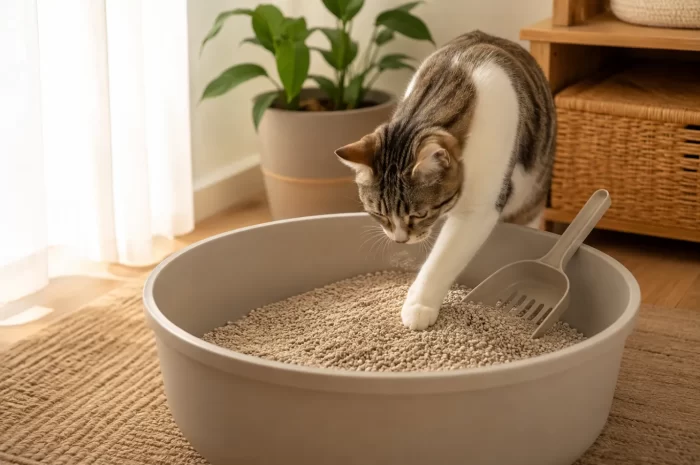
- Their usual litter.
This last point is especially important. Changing the litter in an unfamiliar place can cause your cat to reject the litter box or lead to additional stress. Bringing the same litter they use at home helps them quickly identify their litter box area.
When it comes to traveling, lightweight litter can make all the difference, as it allows you to pack more without adding unnecessary weight to your luggage. If you’re looking to reduce the weight of your luggage without disrupting your cat’s routine, options like Sepicat Lightweight can be a practical alternative, as they combine lightness with good performance during the trip.
Logistics Along the Way
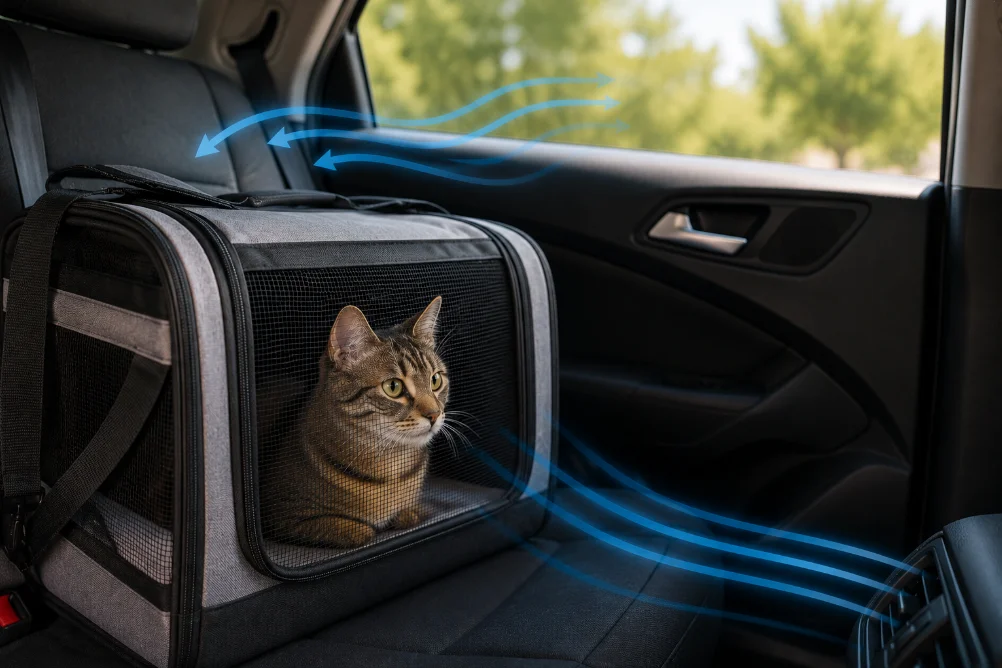
Good trip planning makes all the difference when traveling with a cat. Long trips can be exhausting for cats, so it’s advisable to anticipate travel conditions and prepare for each stop.
Always maintain a comfortable temperature inside the vehicle. Cats are particularly sensitive to heat, so adequate ventilation is essential throughout the trip. Avoid direct drafts and try to keep the environment stable.
On trips lasting several hours, it’s also a good idea to take scheduled breaks approximately every two to three hours. During these stops, you can check that the cat is calm, offer it water, and—if the trip is very long—temporarily set up a portable litter box. Although many cats prefer to wait until they reach their destination due to the stress of travel, it’s important to give them the opportunity to use it.
Another aspect that’s often overlooked is maintaining the litter box during the trip. Keeping it clean helps the cat feel more comfortable and willing to use it when needed. Therefore, it’s best to choose a litter that forms firm clumps and allows you to remove waste quickly during stops, preventing unpleasant odors and making it easier to clean the area.
Feline Road Safety
Safety should never take a back seat when traveling with a cat. A small oversight can become a significant risk for both the animal and the vehicle’s occupants.
The carrier must remain properly secured throughout the entire trip. It’s best to secure it with a seatbelt or place it on the floor behind the front seats to minimize movement during braking or when turning.
It’s equally important to avoid opening the carrier while the vehicle is in motion. If you need to let the cat out during a stop, always use a safety harness to prevent unexpected escapes.
There is one rule that must never be broken: never leave your cat alone inside the car. Even with the windows partially open, the interior temperature can rise rapidly and pose a serious health risk.
Just as we choose safe transport systems, it’s also wise to opt for hygiene products manufactured under strict quality standards. Your cat’s well-being during the trip doesn’t depend solely on the carrier or the vehicle; the products that are part of your cat’s daily routine also play a role. Choosing cat litter made to high-quality standards helps maintain a clean and comfortable environment even when your pet is away from home.
Arrival Protocol

After the trip, an equally important phase begins: helping your cat get accustomed to its new surroundings. Proper acclimation will make traveling with a cat a much more positive experience.
When you arrive at your lodging, avoid letting your cat explore the entire house right away. Ideally, first set up a quiet room where your cat will find all its familiar items: bed, food, water, toys, and litter box. This space will serve as a safe haven while your cat gains confidence.
The location of the litter box also deserves attention. It should be placed in a quiet spot, away from where your cat eats and drinks. Keeping this area clean from day one encourages your cat to continue using the litter box normally and reduces the stress associated with the change in environment.
Not all destinations have the same environmental conditions. If you’re traveling to an area with higher humidity or temperatures that differ from what your cat is used to, it may be helpful to check whether the litter your cat uses will continue to perform as expected. If you’re unsure which type is best suited to those conditions, tools like the Sepicat Litter Selector can help you find an option that meets your cat’s needs and suits the environment where you’ll be spending your vacation.
Traveling with your cat can be a comfortable and safe experience when every detail is planned to protect their well-being. Maintaining their routines, allowing time for them to adjust, and ensuring their hygiene will help them enjoy the change of scenery much more.
If you’re planning your next vacation with your feline companion, you’ll find more tips on well-being, hygiene, and care at Sepicat to help them enjoy every adventure with you.
Frequently Asked Questions
1. What is the best age to travel with a cat?
Ideally, you should wait until your cat has completed its vaccination schedule and is fully settled into its new home. If you have any questions, consult your veterinarian before planning your trip.
2. Is it a good idea to feed your cat right before the trip?
It’s recommended to offer a light meal a few hours before departure to reduce the risk of nausea during the trip.
3. How can I prepare my cat for travel?
Gradually get your cat used to the carrier several days before the trip by letting it go inside and rest in it at home so it associates the carrier with a positive experience.
4. What type of litter is most practical for vacation?
Lightweight, clumping litter is easier to transport, takes up less space, and allows you to remove waste quickly, helping to maintain better hygiene.
5. What should I do if my cat doesn’t use the litter box when we arrive at our destination?
Give it time to adjust. Place the litter box in a quiet spot, use the same litter you use at home, and avoid changing its routine during the first few days.