The litter box is much more than just a place for hygiene; it’s a window into what’s going on inside your pet’s body. For any responsible owner, observing behavior in the litter box is an essential part of cat care. Often, internal problems first manifest themselves in the frequency or manner in which the cat uses its private space. Therefore, understanding the relationship between behavior and cat health and care can make the difference between early detection and a veterinary emergency.
Changes in frequency: Warning signs
It is essential to view the litter box as a true “biological barometer.” The frequency of urination is a direct indicator of a cat’s health and care. A healthy cat typically urinates 2 to 4 times a day, depending on its diet and water intake.
If you notice that your cat is visiting the litter box frequently but only producing small droplets, or worse yet, if they stop going altogether, these are red flags. These changes require immediate veterinary care, as they could indicate anything from an infection to a urethral obstruction, which can be life-threatening within a few hours. Paying attention to these patterns is the first step in preventive cat care.
Advantages of clumping litter for monitoring
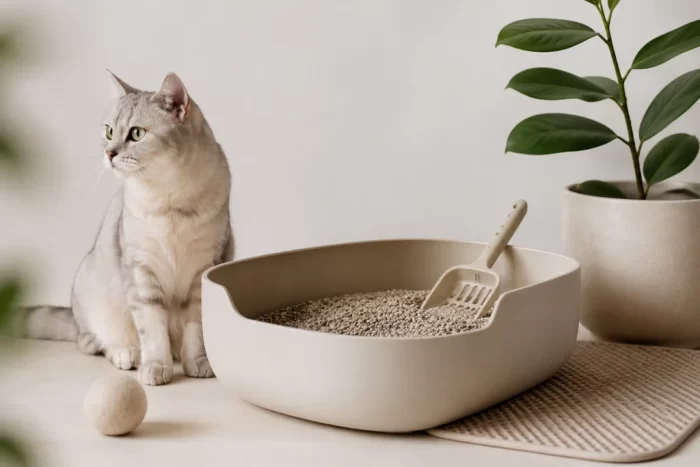
There are many options on the market, but clumping litter stands out not only for its cleanliness but also as an invaluable diagnostic tool. By forming solid, well-defined clumps, it allows owners to easily see and measure the volume of urine. This daily observation-based cat care makes it easier to detect changes in the size of the clumps.
If the clumps suddenly become much larger (polyuria) or very small, you’ll have objective information to share with your veterinarian. Using high-quality products is key to keeping your cat’s health and care on track, turning a routine task into a regular health checkup.
Stress and Its Impact on the Bladder
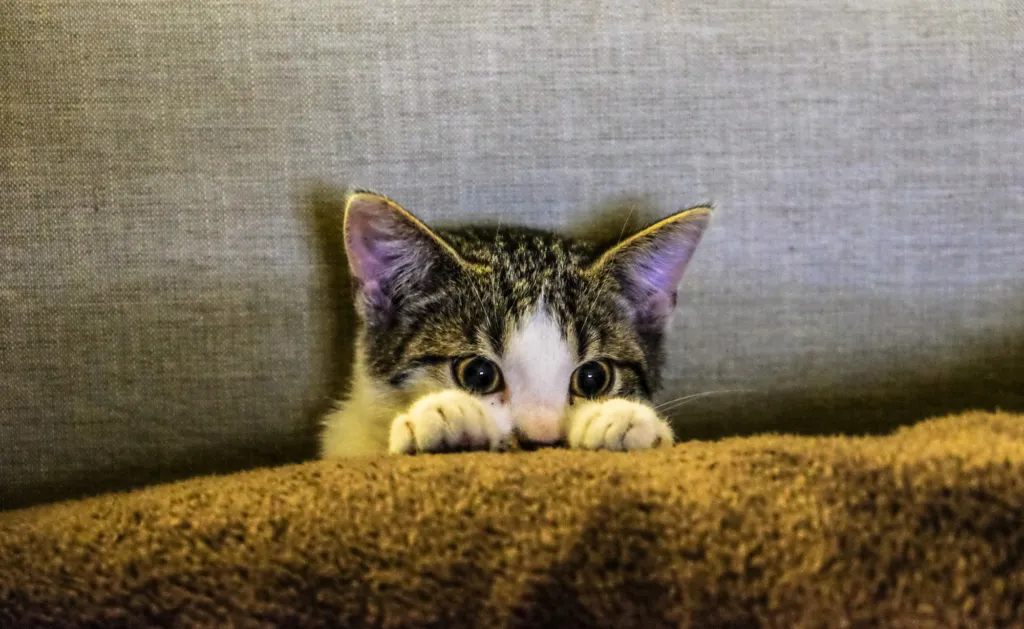
The connection between the nervous system and the urinary tract in cats is surprisingly close. There is a condition known as feline idiopathic cystitis, in which stress causes painful inflammation of the bladder. Comprehensive cat care should therefore include environmental management.
A move, loud noises, or even a new pet can affect a cat’s health and well-being, causing the animal to urinate outside its litter box or pass blood in its urine. Maintaining a calm and predictable environment is one of the best ways to care for your cat and prevent these urinary issues.
Thorough hygiene to prevent infections
Maintaining a clean litter box is the first line of defense against illness. A neglected litter box quickly becomes a breeding ground for bacteria that can compromise a cat’s health and well-being. If the environment is contaminated, bacteria can travel up the urethra and cause serious infections.
A strict hygiene routine, which includes daily waste removal and periodic complete litter changes, is the cornerstone of cat care. At the end of the day, maintaining a clean environment is the most direct way to ensure your cat’s long-term health and well-being.
The Importance of Hydration in Your Diet
You can’t talk about cat health and care without mentioning the critical role that water plays. Due to their evolutionary heritage, cats have a low sense of thirst, which results in highly concentrated urine. Urine that is too concentrated promotes the formation of crystals and mineral deposits, making it the main enemy of preventive cat care.
To protect your cat’s system, it’s vital to encourage fluid intake. Providing sources of running water or alternating dry food with wet food are essential cat care practices that help flush out toxins and naturally cleanse the bladder. By monitoring the litter box, you’ll notice that better hydration results in more frequent and consistent clumps—a clear sign that your cat’s health and care are at their best.
The sandbox as a space for shared diagnosis
Finally, it’s important to understand that cat health and care is a team effort between the owner and the veterinarian. The litter box serves as a daily record of that collaboration. When you clean the litter box, you’re gathering data: urine color, odor, and consistency.
Any abnormalities, such as pink stains or an unusually strong odor, should be reported immediately. Don’t underestimate the importance of these observation-based cat care practices; often, the detection of kidney disease or feline diabetes begins with that small change you noticed while cleaning the litter box. Ultimately, prioritizing your cat’s health and care through litter box maintenance not only prevents
Frequently Asked Questions (FAQ)
Why does my cat meow when it’s in the litter box?
Meowing while urinating is usually a sign of pain. This is one aspect of cat care you shouldn’t ignore, as it indicates physical discomfort that requires a checkup.
Is it normal for my cat to dig a lot before using the litter box?
Scratching is instinctive, but if your cat does it obsessively without actually urinating, it might be uncomfortable. Proper cat care involves making sure the litter has a pleasant texture.
How do I know if my child is urinating enough?
You can see the standard size of your cat’s feces through the clumping litter. Any drastic change in the size of the “clumps” is a sign that you need to step up your cat’s care.
Does the location of the litter box affect your urinary health?
Yes. If the cat doesn’t feel safe, it will hold back from urinating, which is harmful to its health and can lead to the formation of crystals.
What can I do to get my cat to drink more water?
Encouraging hydration is essential. You can use tap water or add wet food to their diet to protect their urinary system and ensure the best possible care for your cat.